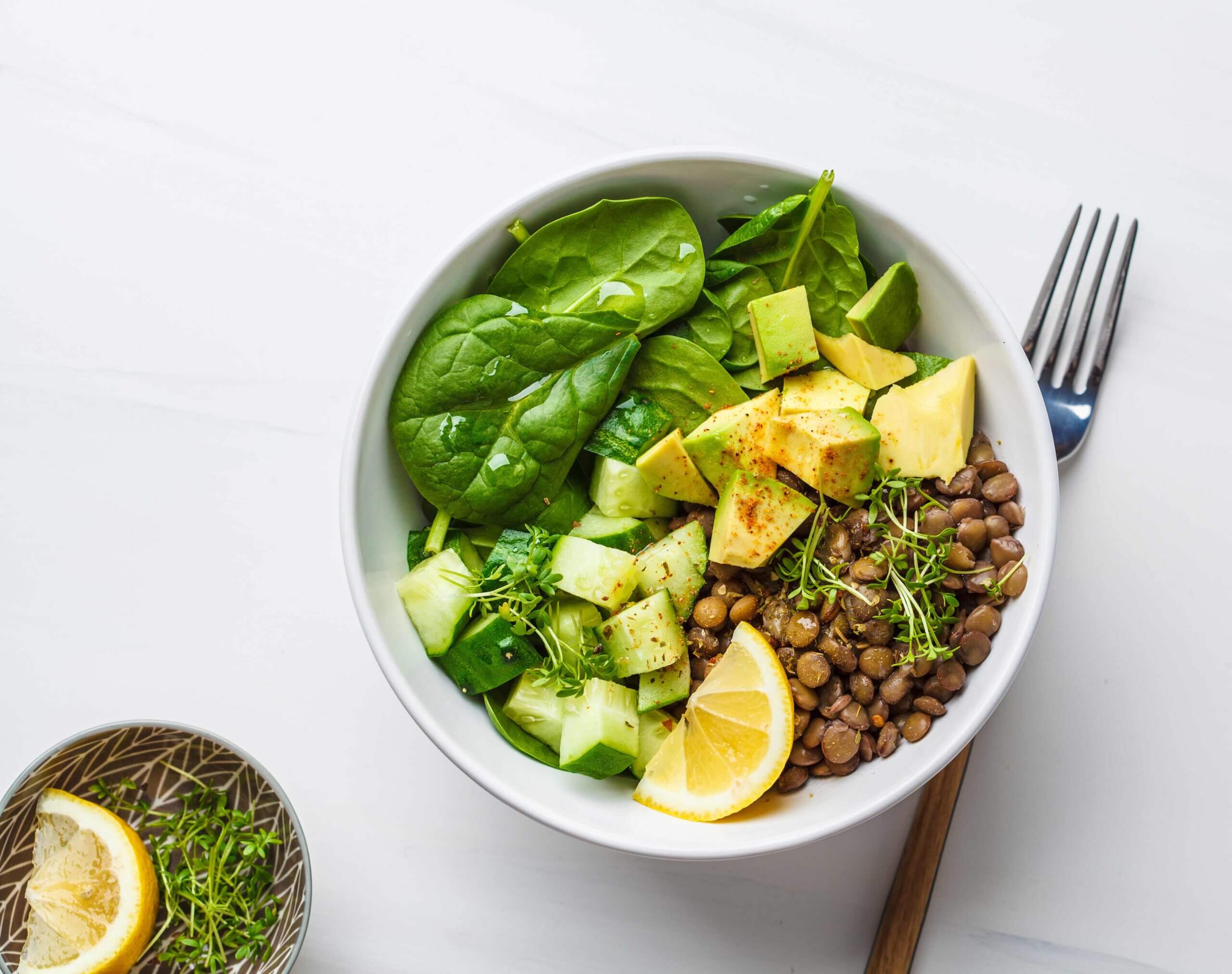
Sometimes you can feel it quite clearly: your body wants a break. Not more coffee, not another quick bite in between, not even more stimulation, but rest. A real interruption. A pause. That is exactly why therapeutic fasting is so valuable to me.
For me, therapeutic fasting the Otto Buchinger way is not a diet, nor is it a strict self-optimisation plan. It is more of a conscious retreat. A time when the body is not constantly busy digesting, the mind becomes clearer again and you perceive yourself in a completely new way. It is not about denying yourself something, but about consciously letting go for a few days.
In this article I share my personal vegan fasting routine with three preparation days, a first fasting and cleansing day, six further fasting days and three refeeding days. It is a personal account, but also a practical guide for anyone interested in therapeutic fasting, plant-based eating and a mindful fresh start.
Important to say first: therapeutic fasting is not suitable for everyone. If you take medication, have a chronic illness, are pregnant, are breastfeeding, are underweight, have serious circulation problems or have or have had an eating disorder, you should definitely check with a doctor beforehand whether fasting makes sense for you. This article is no substitute for medical advice.
Why therapeutic fasting can be worthwhile
In everyday life we often eat for reasons other than hunger. We eat out of habit, out of stress, out of tiredness, out of boredom or simply because something happens to be there. When you fast, all of that suddenly falls away. And that can be quite a challenge at the beginning. The body misses its routines. The mind starts to argue. Suddenly you are thinking about bread, pasta, coffee or something sweet, even though you may not have had much of an appetite for them before. But that is exactly where the opportunity lies: you realise how much food sometimes serves as a distraction. During therapeutic fasting, the digestive system is given a rest. The body receives less energy from outside and begins to draw on stored energy. After the first, more difficult days, many people who fast experience a feeling of lightness, clarity and inner calm. For me, it feels like a reset button every time. Not only physically, but mentally too.
Good to know: Buchinger fasting is not a zero-calorie diet. Traditionally, a very small amount of energy is taken in during the fasting days – usually under 300 kcal a day, mainly through vegetable broth, tea, water and small amounts of juice. This is exactly what keeps the body in fasting mode while still giving it a little warmth, flavour and a small amount of energy.
Processes related to inflammation can also change during fasting. As the body switches from a constant supply of food to a fasting metabolism, insulin release drops, among other things, fat burning increases and the metabolism works differently from the way it does in normal everyday eating. That is why many people also use therapeutic fasting as a conscious time out when their body feels “overstimulated”. But it is important to me to put this into honest perspective: fasting is not a cure-all, and the effect on inflammatory markers can vary from person to person. Especially if you have an existing illness, chronic inflammation or other complaints, therapeutic fasting should always be medically supervised.
Autophagy: the body's own recycling programme
One fascinating process that is mentioned time and again in connection with fasting is what is known as autophagy. Put simply, it is a kind of in-house recycling programme at cell level. The cells begin to break down and reuse components that are damaged or no longer working properly – like an internal spring clean.
Autophagy is basically always going on in the body to some extent. During fasting, however, it is stimulated much more strongly. As soon as insulin levels fall and the glycogen stores are gradually emptied, the signals in the body change. It is often assumed that this process slowly gathers pace after around 12 to 16 hours.
Things get really interesting after around 24 to 36 hours of fasting: once the glycogen stores have been largely emptied, the metabolism increasingly switches over. Fat burning moves more into focus, the body draws more and more on its fat reserves and produces ketone bodies – this state is called ketosis. At the same time, the cellular clean-up processes become more intense.
It gets even more interesting during longer fasting phases of between 36 and 72 hours. During this period, the “repair and recycling work” becomes even more important, because the growth factor IGF-1 can fall – a signal that prompts the body to switch more strongly from growth to maintenance and repair.
The exact timings can vary from person to person, depending on what your diet was like beforehand, how empty your glycogen stores are, how much exercise you add and how your own metabolism works. As a rough guide, though, it helps to know: after 12 to 16 hours the process slowly begins, after 24 to 36 hours it becomes more pronounced, and at 36 to 72 hours of fasting the internal spring clean is particularly intense.
To me, this image fits therapeutic fasting beautifully: the body gets a break from constantly processing new food and can concentrate more on putting its own house in order. That is exactly why, after a few days, fasting often feels not just like going without, but like tidying up, letting go and starting afresh.
“
The path to health leads through the kitchen, not through the pharmacy.
Sebastian Kneipp
What happens in the body during fasting?
In the first hours and days, the body changes its energy metabolism step by step. At first it draws on the quickly available carbohydrate stores, known as glycogen stores. These are found mainly in the liver and the muscles.
The liver’s glycogen store is limited. Depending on exercise, metabolism, previous diet and individual starting point, it is usually largely emptied after around 18 to 24 hours without any significant carbohydrate intake. The muscles also store glycogen, but they do not release it directly into the blood to stabilise blood sugar; they use it mainly for their own muscle work.
When the quickly available carbohydrate stores run low, the body increasingly begins to obtain energy from its fat reserves. This shift towards greater fat burning does not happen abruptly, but gradually. Roughly speaking: after around 24 to 48 hours, fat burning becomes considerably more important. After two to three fasting days, the body is usually more noticeably running on its fasting metabolism, and many people then find that hunger becomes quieter and a greater sense of inner calm sets in.
At the beginning, however, this very changeover can also feel unpleasant. Headaches, tiredness, feeling cold, moments of light-headedness or a bad mood are not unusual. I almost always have a headache, especially on day 1. What helps me then is very simple: a walk in the fresh air, lots of tea, warmth and going to bed early.
Why change your diet before fasting?
For me, the preparation days are a very important part of fasting. Jumping straight from coffee, sugar or snacks into fasting would be far too abrupt for my body. That is why I reduce my calorie intake slowly over three days.
A light, vegan preparation suits me particularly well. Plant-based foods such as vegetables, fruit, potatoes, a little wholegrain, plant-based yoghurt and light soups are less of a burden on the body than heavy, fatty or animal-based meals. The digestive tract gradually has less to do, and mentally, too, it is easier to get started.
It is a gentle easing in rather than a hard cut.


My 13-day guide to therapeutic fasting the Otto Buchinger way
My personal structure looks like this:
Days 1 to 3: preparation days with reduced calorie intake and still solid food
Day 4: first fasting day and also cleansing day with Glauber’s salt and an enema
Days 5 to 10: further fasting days without solid food
Days 11 to 13: refeeding days
During the fasting days I mainly drink tea throughout the day. At lunchtime every day I have a FRESH pack Antiox which I mix with 250 ml of water. Antiox contains freeze-dried fruits that were harvested at peak ripeness and therefore contain a maximum of antioxidants. As it is the only fruit juice I have during the entire fasting period, it is very important to me that the juice is of outstanding quality. In the afternoon I like to drink an organic carrot or beetroot juice. In the evening there is a clear, home-made organic vegetable broth.
Important to note: during the fast, no plant-based milk or conventional milk, no protein shakes and no additional food supplements may be taken – this is important!
During the fasting days I make sure I stay roughly within the classic Buchinger framework of under 300 kcal a day. For me, that comes from tea, Antiox at lunchtime, a carrot or beetroot juice in the afternoon and the clear vegetable broth in the evening.
For the enema I use still water from glass bottles, because I want to avoid plastic bottles.
Day 1: first preparation day with approx. 1,300 kcal
On the first day, calorie intake is reduced to around 1,300 kcal. You still eat, but much more lightly and mindfully. For me, this is the day on which the body slowly understands: a different phase is beginning now.
In the morning I drink green tea or peppermint tea. Some fruit with plant-based yoghurt or a small portion of porridge goes well with it, for example. At lunchtime, a large salad, steamed vegetables or a simple potato and vegetable meal is a good choice. In the evening it can be a light vegetable soup.
On this day I do without alcohol, sweets, snacks, heavy ready meals and coffee. Coffee withdrawal in particular makes itself felt quickly with me. I know headaches on day 1 very well. A walk in the fresh air almost always helps me then, and in the evening I go to bed as early as possible. What the body needs now is not extra harshness, but support.
Day 2: second preparation day with approx. 1,000 kcal
On the second day I reduce to around 1,000 kcal. The meals become simpler still. Tea again in the morning, perhaps with some raw fruit or stewed fruit with plant-based yoghurt. At lunchtime, two slices of wholegrain crispbread with a light vegan spread and cucumber can work well. In the evening there is a simple vegetable soup, and it can already be very plain.
In the body, the work of digestion is reduced further. On this day many people already notice that they are becoming calmer – or a little more irritable. Both are normal. Old habits make themselves heard, the blood sugar gets less quick energy, and the mind looks for familiar routines.
On this day I try not to plan too much. Tea, warmth, a walk and enough sleep are the best preparation for me.
Day 3: third preparation day with approx. 800 kcal
On the third day, calorie intake is reduced to around 800 kcal. You still eat, but only very lightly. This day is important so that the body does not suddenly have to switch from a normal diet to going without food altogether.
In the morning there is tea and a small, light meal, for example some raw fruit or stewed fruit with plant-based yoghurt again. At lunchtime, a small portion of vegetables, potatoes or soup is suitable. In the evening it becomes plainer still: a light vegetable soup or clear vegetable broth with just a few pieces of vegetable in it.
On this day I like to prepare my vegetable broth for the fasting days. I make my broth in a ratio of 1 kg of organic vegetables to 3 litres of water, without salt. I use carrots, celeriac, leek, onions and parsley, for example. If you like, you are welcome to add a little ginger too. Everything is simmered gently and then strained. During the fasting days I drink only the clear broth.
Day 4: first fasting and cleansing day with Glauber's salt and an enema
The fourth day is the first proper fasting day – and also the cleansing day. From now on there is no more solid food. From today, the morning starts with green tea or peppermint tea. During the day I mainly drink herbal tea. At lunchtime I have my Antiox. In the afternoon there is a carrot or beetroot juice. And in the evening I drink clear vegetable broth.
In my experience, it makes a lot of sense to schedule this day for a weekend or a day off, or at least for a day when you are working from home and can go to the toilet at any time. The effect of Glauber’s salt can be very pronounced and last for several hours. This really is not a day on which you want to be sitting comfortably in the office, keeping appointments or being out and about. The calmer and freer you plan this day to be, the more pleasant the cleanse will be.
For the purge I take Glauber’s salt: 30 g of Glauber’s salt to ½ litre of water. The taste is, quite honestly, dreadful, but I drink it quickly and try not to think about it for too long.
Around 4 to 5 hours later I also do an enema. For this I use a travel enema kit that I bought at the pharmacy. For the enema I use 1.5 litres of still water from glass bottles. This matters to me because I want to avoid water from plastic bottles as far as possible.
I repeat the enema every two days during the fasting days to remove any residue in the bowel. Once I did not do it, and I then felt really unwell on day 5. Since then, this step has been a firm part of the routine for me.
Care is important with Glauber’s salt and enemas. If you are sensitive, take medication or have any health issues, you should seek advice from a doctor or pharmacist beforehand.
shop
FRESH pack antiox supplies the body with power from freeze-dried superfruits. Packed with plenty of vitamin C and high-quality antioxidants, it protects the cells from free radicals. For beautiful skin from within.

Day 5: second fasting day without solid food
After the cleansing day, the second fasting day without solid food begins. In the body, the metabolic changeover now becomes more noticeable. The glycogen stores are emptied further, and the body moves more strongly towards fat burning. This can feel a little wobbly. Feeling cold, tiredness or moments of light-headedness are possible.
I go for a walk every day, because fresh air does me an incredible amount of good and supports the circulation. In addition, I alternate between gentle yoga and a short, light strength workout. This is not about performance, but simply about gently activating the body.
Day 6: third fasting day – in the middle of the changeover
The third fasting day is often one of the more challenging days. The body is in the middle of switching from carbohydrate metabolism towards fat burning. The quickly available glycogen stores are now usually considerably reduced, and the body is increasingly using fat reserves as a source of energy.
The routine stays simple: tea in the morning and throughout the day, Antiox at lunchtime, carrot or beetroot juice in the afternoon, clear vegetable broth in the evening.
If dizziness or circulation problems occur, what helps me is rest, fresh air, warmth and, if needed, Apozema drops from the pharmacy. I take these as directed on the pack. If in doubt, I would always ask at the pharmacy or consult a doctor.
A good tip for this day is a liver compress. To make one, a small cotton cloth or tea towel is moistened with warm to hot water and wrung out well. I then place it on the upper right-hand side of my abdomen, that is, on the right just below the ribcage. I put a hot water bottle on top of the damp cloth and wrap a blanket tightly around my body to keep the heat in – you can also use a large towel. Then simply lie there, relaxed, for 20 to 30 minutes, breathe calmly and do nothing. I like to listen to some chill-out lo-fi music while I do this. For me, it is one of the most soothing rituals during a fast.
The liver compress is traditionally used during fasting because moist heat can stimulate blood flow in the area of the liver and have a relaxing effect at the same time. This little ritual can be very soothing, especially during the midday rest or in the evening.
Day 7: fourth fasting day – things become calmer
On the fourth fasting day, things become calmer inside for many people who fast. The body has adjusted more fully to fat burning. Hunger often becomes less insistent, the mind clearer, and that special fasting feeling can slowly emerge.
I stick to my routine: lots of tea, Antiox at lunchtime, carrot or beetroot juice in the afternoon and clear vegetable broth in the evening. On top of that there is a walk and, depending on how I feel, gentle yoga, a short, light strength workout or a meditation.
During a fast I generally sleep more than usual. In the past I might have thought I had to function as normal regardless. Today I see it differently. The body is working hard in the background, and sleep is a wonderful support for that.
Day 8: fifth fasting day – the mind sometimes pipes up again
Physically, things often get easier, but mentally the fifth fasting day can become interesting once more. Suddenly bread smells incredibly good. You think about dishes that you do not otherwise eat all the time. The mind tries to go back to old patterns.
What helps me is giving the day a clear structure: tea, Antiox, vegetable juice, broth. In between, exercise, rest, warmth and no unnecessary food cues. I avoid standing in the kitchen for long or looking at recipes that are not right for the moment.
A liver compress in the evening can be very soothing today as well, especially if I am cold or feel restless inside. During the fasting period I also like to build in little self-care rituals, such as very consciously applying body lotion in the evening. I take plenty of time over it and moisturise my skin with particular care. I pay close attention to how it feels and practise gratitude for my body as I do so. My absolute favourite for this ritual is the RINGANA FRESH baby oil. It smells so wonderfully of vanilla. It nourishes my skin with moisture and leaves it velvety soft.

Day 9: sixth fasting day – the lightness arrives
On the sixth fasting day, that special feeling of lightness can appear. Not always, not for everyone, but often. The body is now running more fully on its fasting metabolism. Fat burning is considerably more active, and many people feel less hungry.
My routine stays the same: tea in the morning and during the day, Antiox at lunchtime, carrot or beetroot juice in the afternoon, clear vegetable broth in the evening.
A walk outdoors often feels especially lovely on this day. The air seems clearer, the senses are more alert, and sometimes it is only now that you notice how much food masks in everyday life: tiredness, restlessness, stress, emotions.
Day 10: seventh and final fasting day
The last fasting day is special. It is that quiet moment before breaking the fast. The body is emptier, the mind often clearer, and the first apple the next day suddenly seems like a little celebration.
Today, too, my routine stays simple: tea throughout the day, Antiox at lunchtime, carrot or beetroot juice in the afternoon and clear vegetable broth in the evening.
On this day I like to take time to look back a little. What did me good? What was hard? What do I want to do differently after the fast? For me, therapeutic fasting is not just about going without solid food. It is an invitation to become more honest with myself.
Optional: zeolite during the fast. The first time I fasted, I also took zeolite, specifically a medical zeolite product (ZeolithMED detox powder). Zeolite is a natural volcanic mineral. It can bind certain substances in the gastrointestinal tract and is then excreted via the bowel.
What matters is this: zeolite is not a miracle cure and should be used with care. If you take medication, you should make absolutely sure you leave enough time between the two and check with a doctor or pharmacist beforehand, because binding agents can also affect the absorption of medication or other substances. Products like this should always be used as directed on the pack.
Day 11: first refeeding day – breaking the fast with an apple
Breaking the fast is one of the loveliest moments of the whole fasting period for me. You do not eat in passing, not hastily, not quickly between two appointments. The first bite deserves calm and time.
I break the fast with an apple. Ideally in the morning or at lunchtime. I have chosen this apple very deliberately – I look at it, smell it and chew very slowly. So slowly that the apple almost turns to juice in my mouth. It does not have to be the whole apple. As soon as the first feeling of fullness comes, that is enough.
In the evening there is a little soup. For me, a mild potato and celeriac soup is perfect here. I also add a teaspoon of ground linseed (flaxseed). The soup is warm, soft, simple and gentle enough to get the body used to solid food again. You can find the recipe for my potato and celeriac soup here.
The ground linseed helps to gently get the bowel moving again. After several days without solid food, the digestion needs time. That is why I eat slowly and stick to small portions.
The first refeeding day is not an “at last I can eat whatever I want again” day. It is the careful transition back.

Day 12: second refeeding day – gently waking up the bowel
On the second refeeding day there can be a little more. For me, that means two slices of wholegrain crispbread with beetroot spread, for example. With that, some plant-based yoghurt with chia seeds.
In the evening there is soup again. From today, I enrich the soup not only with ground linseed but also with a few drops of linseed oil.
On this day, too, I carry on drinking tea and make sure I get rest. Exercise is fine, but gentle : walking, light stretching, no hard training.
Day 13: third refeeding day – more variety, but mindfully
On the third refeeding day, things become a little more varied again. For example, I eat wholegrain crispbread with lentil curry spread by NOA or beetroot spread from dm. With that, some vegetables and a little plant-based yoghurt with chia seeds and fruit.
Even so, the motto remains: slowly, mindfully, not too much. The body is very receptive after fasting. Food that is too fatty, too salty or too heavy, or portions that are too large, can quickly become uncomfortable.
For me, this third refeeding day is a bridge. Back to everyday life, but not back to all the old patterns.
Why vegan is a particularly good fit after fasting
After fasting, everything tastes more intense. An apple is suddenly incredibly sweet. A soup feels soothing. A simple piece of wholegrain crispbread with spread can be entirely sufficient.
A vegan, wholefood diet suits me particularly well after fasting because it can be light, colourful, rich in nutrients and high in fibre. Vegetables, fruit, potatoes, whole grains, pulses, nuts, seeds and high-quality plant oils give the body a wonderful foundation.
After therapeutic fasting in particular, it becomes clear how much good simple, natural foods can do. Not complicated, not overloaded, not constantly in between meals. But mindful, calm and nourishing.
Therapeutic fasting is often a turning point. After a few days without solid food, you are more finely attuned to your body. You notice more quickly what sits heavily in the stomach, what does you good and when you have had enough. That is exactly why the time after fasting is so well suited to carrying on in a more plant-based, fresher and more mindful way.
My conclusion
Therapeutic fasting the Otto Buchinger way is not a spa break for the body. There can be headaches, cold feet, circulation problems, inner debates and days when you ask yourself why you are actually doing this.
But then there are those other moments too. The quiet clarity. The lightness. The deep sleep. The walk that suddenly does more than any distraction could. The joy of seeing three kilos less on the scales. The first apple, which tastes like a small miracle.
For me, therapeutic fasting is a way back to greater awareness. Not only when it comes to eating, but in everyday life as a whole.
If you would like to try therapeutic fasting, you should prepare for it well, carry it out mindfully and, above all, take the refeeding days seriously. That is exactly where it is decided whether the fast was just a brief period of going without or truly a loving fresh start.
On my blog you will find vegan recipe ideas, inspiration for a plant-based diet and gentle nudges towards greater well-being in everyday life. Perhaps right now is exactly the right moment to listen to your body and give it the break it has been quietly calling for for so long.
Disclaimer: This text is in no way a substitute for professional advice from a doctor or pharmacist, and it must not be used as a basis for self-diagnosis or for starting, changing or stopping the treatment of any illness. If you have any health questions or complaints, always consult a doctor you trust! Greentrinsic accepts no liability for any inconvenience or damage resulting from the use of the information presented here.