Eating a balanced diet is important for everyone – but if you follow a vegan lifestyle, there are a few nutrients you’ll want to pay extra attention to. Your energy, wellbeing and overall health depend on them. Here’s a closer look at the key nutrients your body needs, what they do, and how you can easily include them in your plant-based routine.
Vitamin B12
Vitamin B12 is essential for healthy nerve function, red blood cell formation and cell division. Since it doesn’t occur naturally in plant-based foods in meaningful amounts, supplementing is a must. The Austrian Nutrition Society (ÖGE) recommends a daily intake of around 4–7 micrograms. B12 is easy to find in drop or tablet form – and often very affordable.
Why it matters so much: Your body stores B12 in the liver for years, which means a deficiency might only show up later – sometimes with lasting nerve damage. That’s why regular B12 supplementation is essential, especially during pregnancy and breastfeeding.
Personal tip: I’ve been taking B12 tablets from “Nature Love” for over 4 years now and have my levels checked yearly with a blood test – always right on track.
Iodine
Iodine is important for producing thyroid hormones. A deficiency can lead to thyroid enlargement (goitre). You can cover your basic needs with iodised salt. Other options include iodine-enriched plant drinks or algae with moderate iodine levels – just be mindful, as the iodine content in algae can vary a lot. If you’re unsure, talk to your doctor about whether a low-dose iodine supplement might be helpful.
Calcium
Calcium isn’t just for bones – it also supports muscle function, nerve signals and blood clotting. Good vegan sources include dark leafy greens like broccoli and kale, almonds, sesame seeds, tofu, and calcium-enriched plant milks. Also helpful: mineral water with at least 400 mg calcium per litre.
Tip: Your body needs vitamin D to absorb calcium properly – more on that below!

Vitamin D
Vitamin D plays a key role in calcium metabolism, bone strength and immune function. Your body can make it from sunlight – but only between March and October, and only if you spend enough time outdoors with some skin exposed. During the colder months, or if you’re mostly indoors, a vitamin D supplement is a smart choice. Ask your doctor what dosage is right for you.
Personal tip: Since I have fair skin and barely get enough sun – even in summer – I take vitamin D3 & K2 drops from “Sonnenfreund” year-round. It gives me peace of mind.
DHA and EPA (omega-3 fatty acids)
These long-chain fatty acids are crucial for brain, heart and nerve health. They’re mainly found in oily fish – but as a vegan, you can get them from algae oil capsules. The EFSA recommends 250 mg of DHA + EPA per day. Your body can also convert a small amount of ALA (from flaxseed oil, walnuts or chia seeds) into EPA and DHA – but not efficiently enough to rely on it alone.
Personal tip: I take two “RINGANA BEYOND omega ” capsules every day – they provide omega-3s from sustainable microalgae. I love that they also include vitamin D3, K2, E, ubiquinol and natural carotenoids – everything in one.
Want to know why omega-3 is so much more than just a “nice to have”? Read my in-depth article here “Plant-based omega-3: the underestimated key to more energy & focus”.
Protein
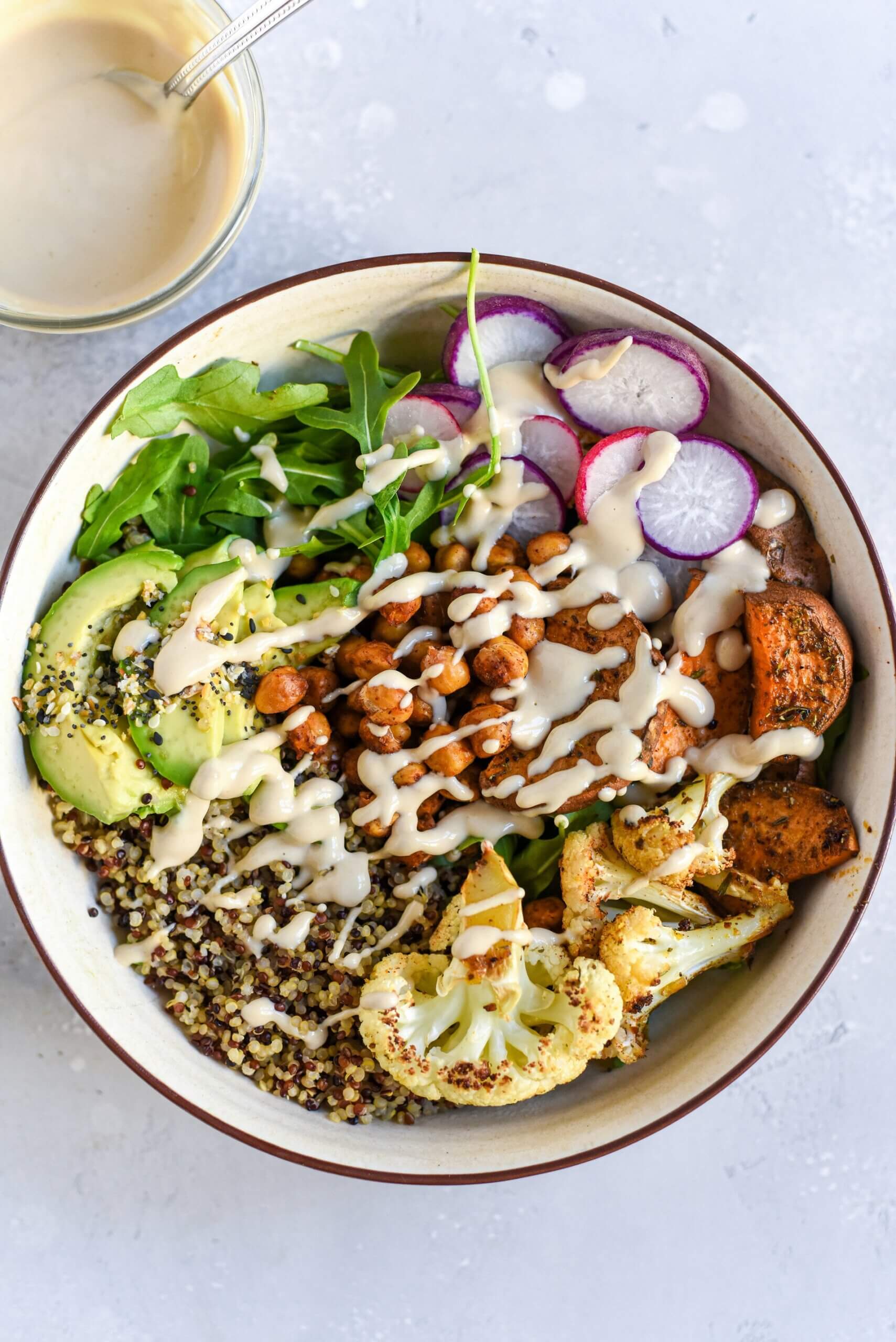
Protein is the foundation of your body – it builds muscles, tissue and cells. Legumes like lentils, chickpeas, beans, soy products, seitan and whole grains are excellent vegan sources. It’s all about smart combos: rice with beans, or bread with hummus, for example. By eating different protein sources throughout the day, you’ll cover all essential amino acids – no stress required.
Want to dive deeper? Here’s where you can read more about the best vegan protein sources and how you can combine them.
“
It makes a difference which foods we choose.
Michael Greger
Selenium
Selenium helps protect your cells from oxidative stress and supports your immune system.
Just two Brazil nuts a day are often enough to meet your needs – how easy is that? You’ll also find selenium in whole grains and legumes like lentils or chickpeas.
Iron
Iron is essential for carrying oxygen in your blood and giving you energy. Great plant-based sources include lentils, sesame seeds, lamb’s lettuce and whole grains.
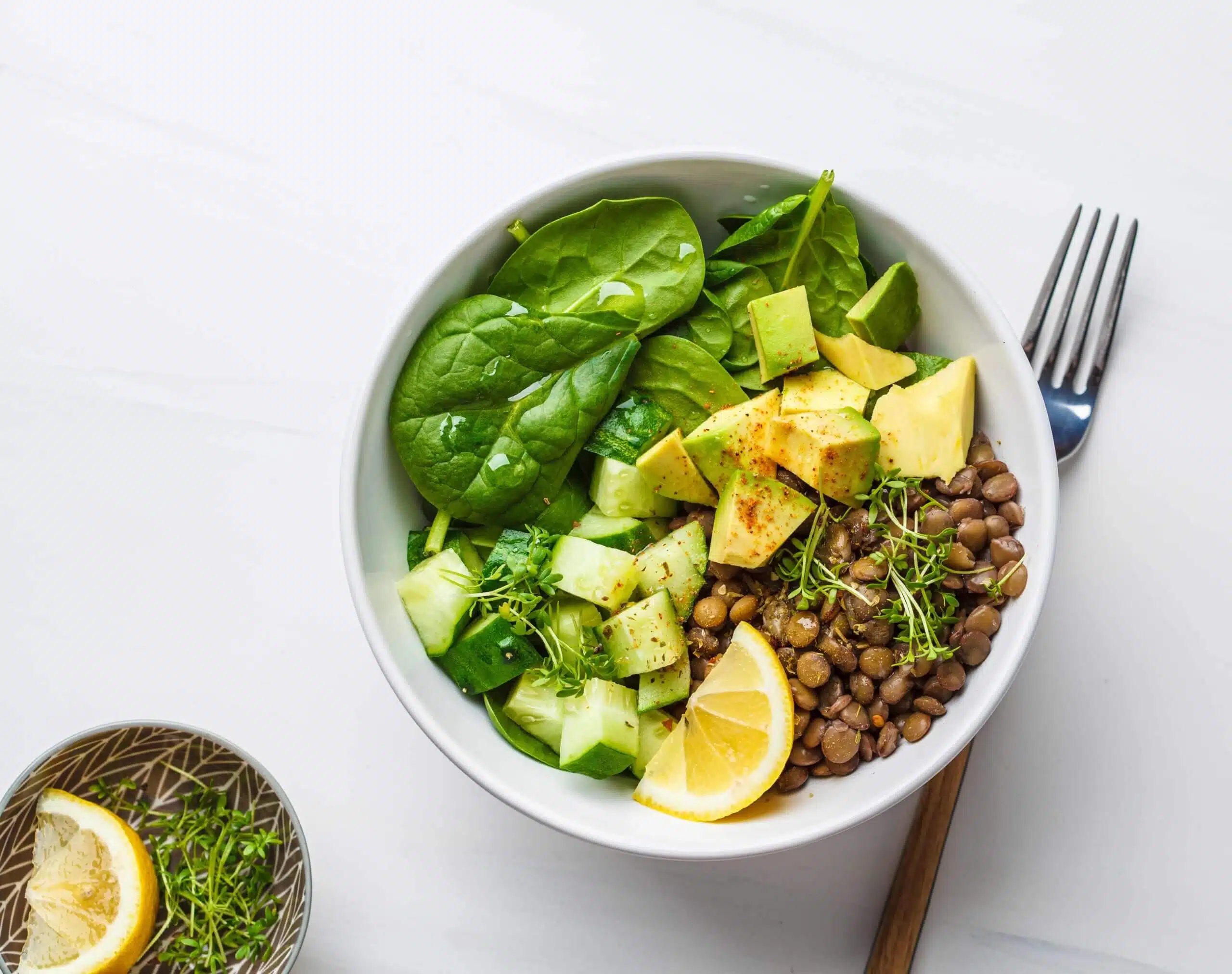
Smart tip: Combine iron-rich foods with vitamin C to boost absorption – think lentil salad with lemon juice or peppers. Avoid coffee or tea right before or after meals with iron, as they can block uptake.
Curious? Learn more about preventing iron deficiency and how to get the most from plant-based sources here.
Zinc
Zinc supports immune health, skin regeneration and your metabolism. Pumpkin seeds, cashews, lentils and oats are great sources. Soaking or fermenting grains and legumes (like in sourdough bread) helps your body absorb zinc more efficiently.
Does that sound like a lot? With a varied, well-planned vegan diet, you can easily cover most of these nutrients. Supplements such as vitamin B12 and vitamin D can optimally cover your requirements.
Find out more about the 10 best superfoods.
Disclaimer: This text is not a substitute for professional medical advice, diagnosis or treatment. It must not be used as a basis for self-diagnosis or for starting, changing or discontinuing medical treatment. Always consult a qualified healthcare professional if you have any health concerns or symptoms. Greentrinsic accepts no liability for any discomfort or harm arising from the use of the information provided.