Bloating – annoying, uncomfortable and often showing up at the worst possible moment. Whether it’s a first date, an important meeting or a quiet yoga class – in moments like these, you just want one thing: quick relief. But what’s actually going on inside your body, and how can you get rid of bloating in a lasting way? Here’s what really helps – naturally, gently and without stress.
What’s actually going on?
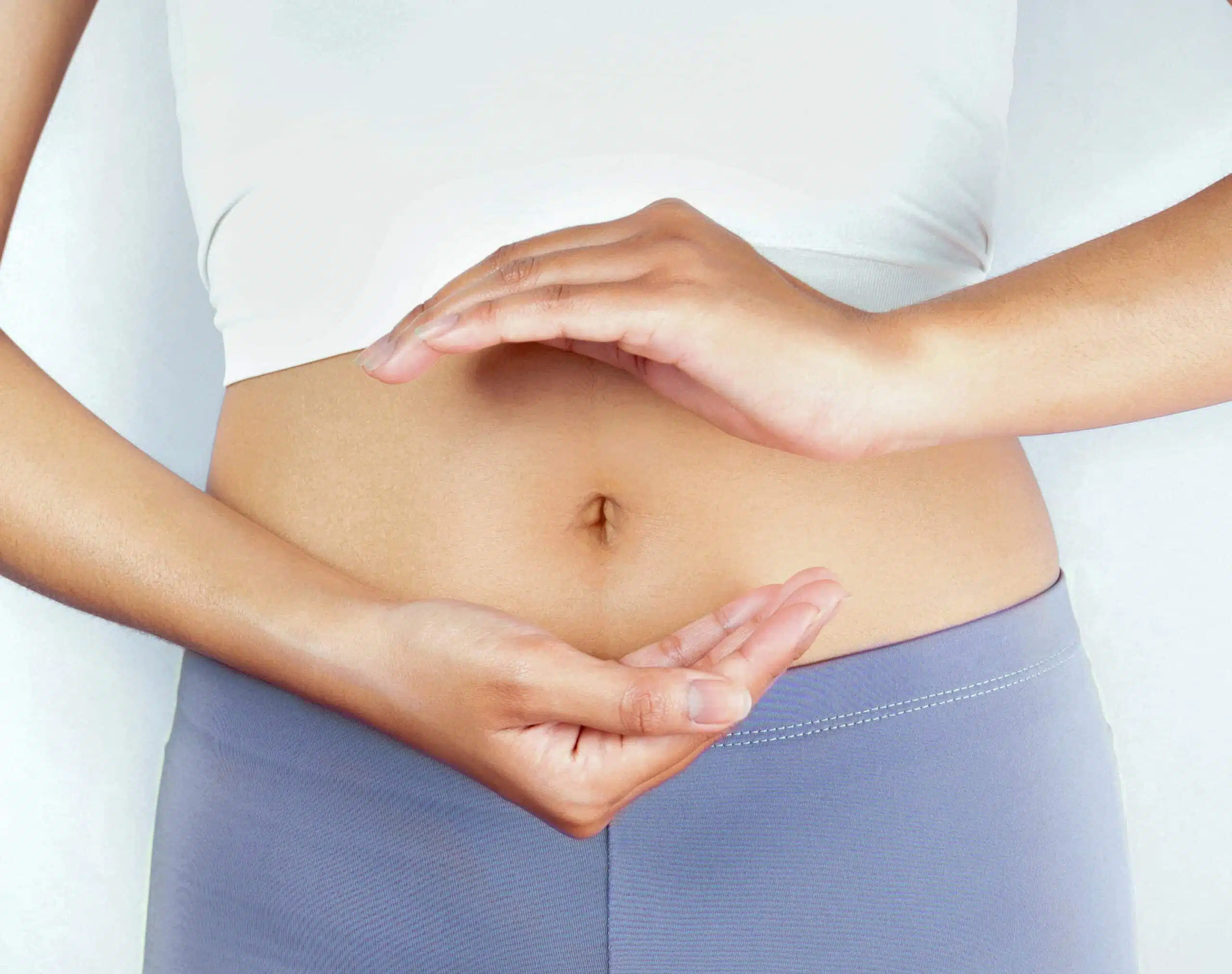
Bloating happens when gas builds up in your intestines – especially in the large intestine, where fermentation by gut bacteria takes place. While your small intestine absorbs most nutrients, the more difficult-to-digest components move on to the large intestine. That’s where bacteria break them down and release gases like carbon dioxide, nitrogen, oxygen, methane and hydrogen.
Eating too quickly, swallowing air and being under stress can also cause extra gas to build up in your digestive tract. The result? A feeling of fullness, pressure in your belly, and sometimes even pain. Fibre-rich foods – especially from plants – can make this worse at first. But with the right preparation (especially when it comes to pulses), you can make them much easier to tolerate. You’ll find more tips on this further down. [1, 4]
My personal bloating journey
I struggled with bloating myself for a long time – especially after breakfast. As a bread lover, I often felt frustrated and uncomfortable after eating. Things only started to change when I switched to buying my bread from an organic bakery that bakes exclusively with sourdough.
It took around two months to really notice a difference. But since then, I haven’t had any issues with bloating after eating bread. I suspect that the industrial bread I used to eat contained additives and hard-to-digest ingredients that were putting pressure on my gut. Sourdough bread, on the other hand, is fermented slowly, which breaks down many of those components and makes it far more digestible.
What does your emotional state have to do with bloating?
“It’s upsetting my stomach” – that expression exists for a reason. Your gut and brain are constantly talking to each other via the so-called gut-brain axis. Stress, anxiety or feeling overwhelmed all directly affect your digestion.
What happens in your body when you’re stressed? Hormones like adrenaline and cortisol are released – and these hormones slow down digestion. Why? Because your body wants to conserve energy for a “fight or flight” response. The problem is: slower digestion means more gas can build up, which makes bloating and discomfort worse. And if you’re often stressed, chances are you also eat faster – swallowing more air, which only adds to the bloating. [5, 6, 7, 8, 9]
Stress and bloating - the underestimated connection
Chronic stress is one of the biggest enemies of a healthy gut. It can throw your microbiome off balance and contribute to ongoing digestive issues like bloating or even irritable bowel syndrome.
So, what can you do? Small rituals to help you relax can benefit not only your emotional well-being but also your digestion:
- Abdominal breathing: This calms your entire digestive system and helps things move along more smoothly.
- Yoga & meditation: Twisting poses gently massage your organs, encourage digestion and help release trapped gas. Meditation can help calm both your mind and your belly.
- Progressive muscle relaxation: This technique helps ease tension in specific muscle groups – including your abdominal area.
- Getting outdoors: A simple walk in the fresh air can activate digestion and ease discomfort. [5]



Hormonal causes of bloating in women
Many women experience bloating, especially during their period, pregnancy or menopause. That’s no coincidence – hormonal shifts can slow digestion and cause gas to build up.
Hormonal fluctuations may also lead to cravings for rich or sugary foods, which can intensify bloating. This combination of hormonal changes and dietary triggers makes bloating a common but manageable challenge during certain life phases. [3]
Tip:
During hormonal transitions, focus on easy-to-digest foods like steamed veggies and fermented products. Gentle movement and stress relief (such as yoga or belly breathing) can help bring your digestion back into balance.
Which foods can trigger bloating?
When your digestion is already sensitive, certain foods can make things worse – especially those that are harder to break down or promote gas production. Here are some common culprits:
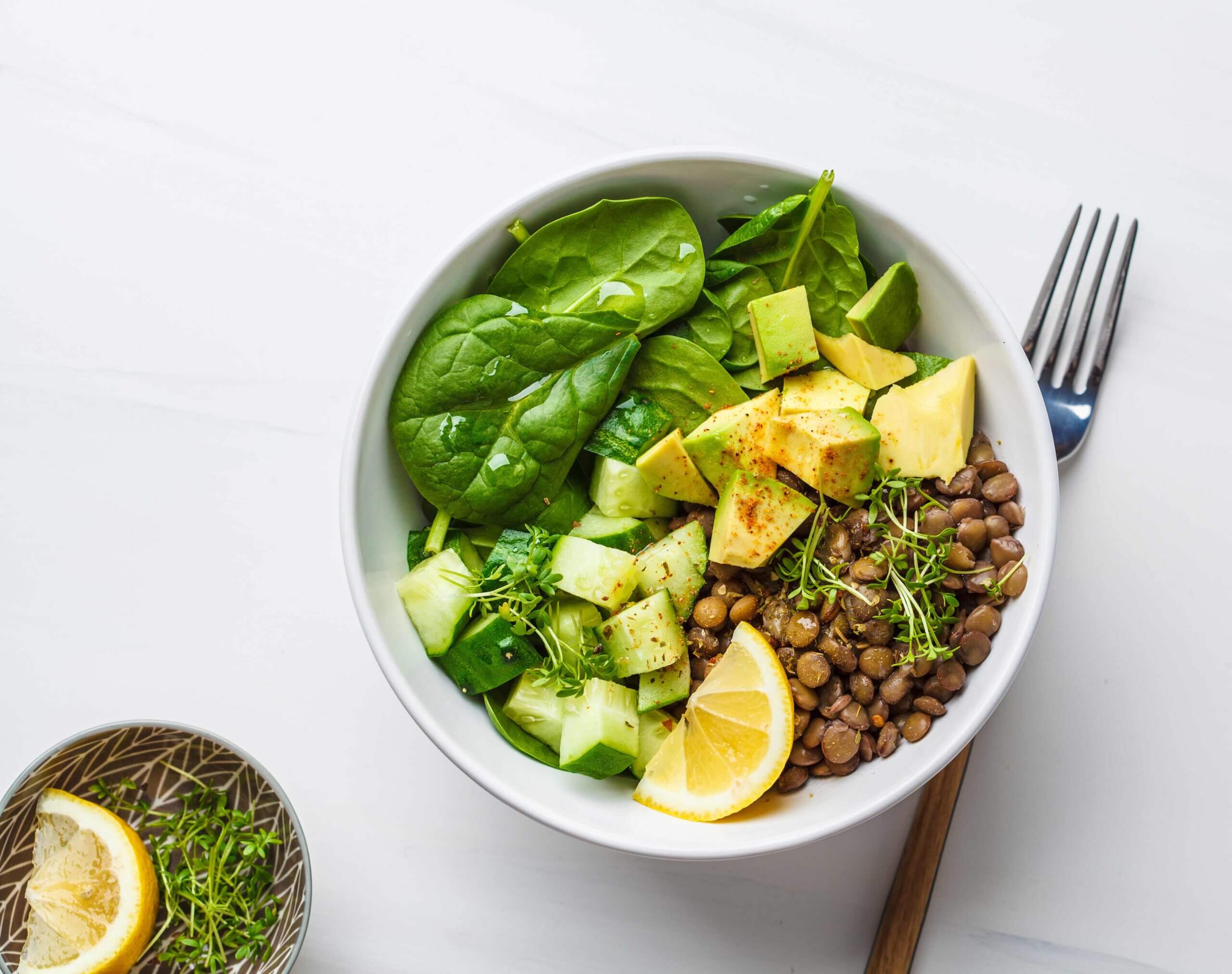
- Pulses: Beans, lentils, peas and chickpeas contain sugars like raffinose that are fermented in the colon.
- Cruciferous vegetables: Broccoli, cauliflower, Brussels sprouts and cabbage are high in fibre and sulfur compounds that may cause gas.
- Onions & garlic: These power foods contain fructans, which can be tough to digest for some.
- Gluten-containing grains: Wheat, barley and rye can cause bloating if you’re gluten-sensitive.
- Dairy products (for non-vegans): Milk, cheese and yoghurt may cause discomfort, especially in those with lactose intolerance.
- Carbonated drinks: Fizzy beverages introduce extra gas into the digestive tract.
- Artificial sweeteners: Sugar alcohols like sorbitol and mannitol – often found in “sugar-free” products – can upset your gut.
- Alcohol: It irritates the digestive lining, slows down digestion and can disrupt your microbiome. [1, 4, 8]
“
It is important to heal the body with the soul and the soul through the body.
Oscar Wilde
Natural helpers for a bloated belly
The good news? Nature has your back. There are plenty of foods, herbs and spices that can soothe your belly and support digestion in a gentle way:
- Ginger: An all-rounder that stimulates digestion and helps reduce gas.
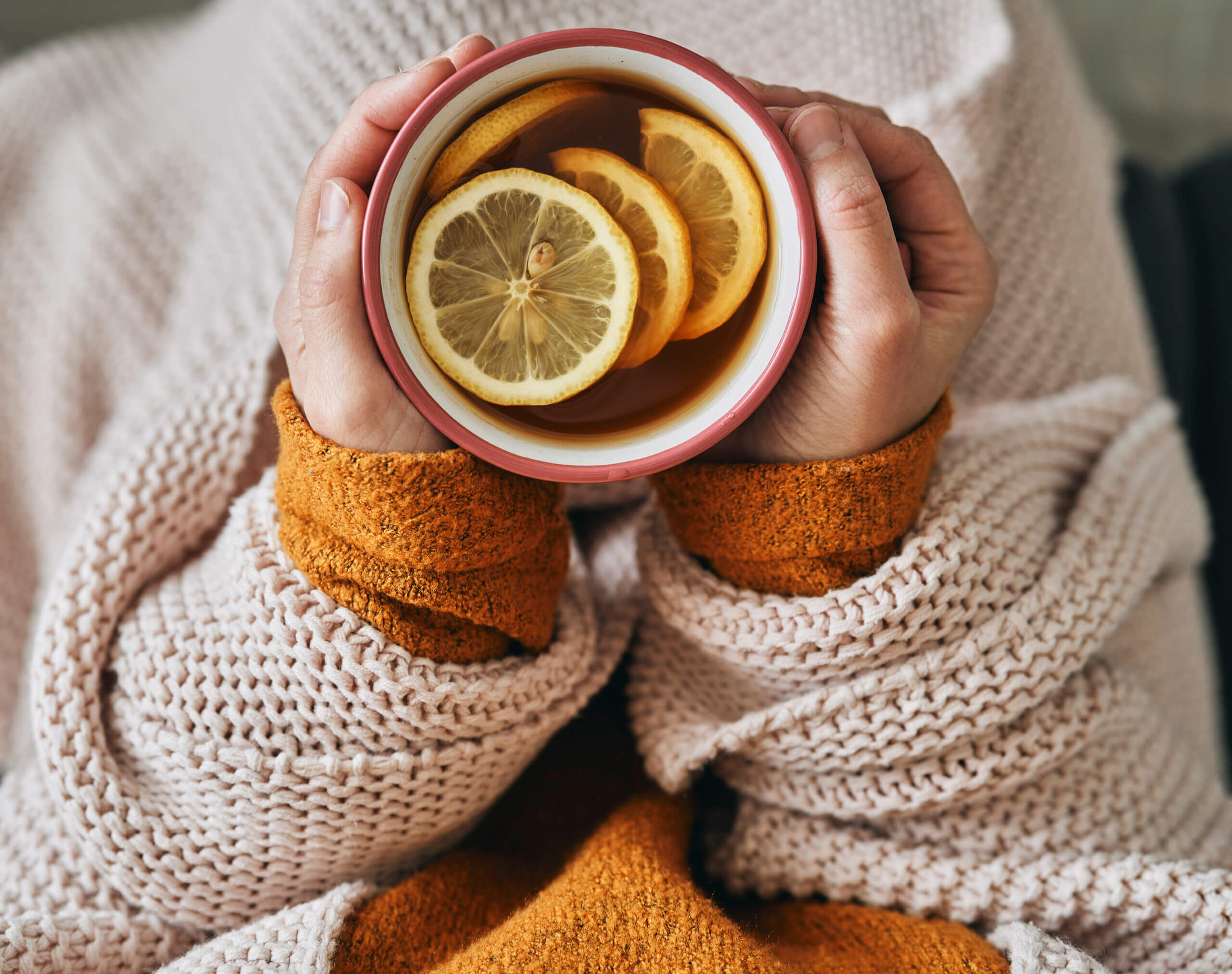
- Fennel, caraway and aniseed: These calming herbs relax your gut and relieve cramps – perfect as a tea after meals.
- Turmeric, cumin and cardamom: These warming spices have anti-inflammatory and antispasmodic effects and support digestive health.
- Papaya and pineapple: These tropical fruits contain natural enzymes (papain and bromelain) that help break down food more efficiently.
- Steamed vegetables: Carrots, courgettes and pumpkin are gentle on the gut and ideal for sensitive tummies.
- Apple cider vinegar: A teaspoon before meals can stimulate digestion and improve nutrient absorption.
- Plant-based probiotics: Fermented foods like sauerkraut, kimchi and non-dairy yoghurt help strengthen your microbiome. [2]

When to speak to a doctor?
Most of the time, bloating is harmless. But if you experience frequent or persistent symptoms – especially with severe pain, diarrhoea or weight loss – it’s a good idea to have it checked by a doctor. [1, 8]
The best tips to beat bloating
Here are some easy, effective habits that can make a big difference:
- Prepare pulses properly: Soak them for 12 hours, rinse thoroughly, and cook with digestive herbs like bay leaf or cumin.
- Chew thoroughly & eat slowly: Avoid rushed meals to reduce swallowed air and support your digestion.
- Skip the fizz: Still water or unsweetened herbal teas are easier on your belly than carbonated drinks.
- Use natural helpers: A cup of fennel-caraway tea or peppermint tea after meals can do wonders.
- Stay active: A gentle walk after eating helps things move along – and so do yoga poses, swimming or cycling.
- Apply warmth: A hot water bottle or grain pillow on your stomach can relax muscles and relieve cramps.
- Reduce stress: Breathing exercises, meditation or progressive muscle relaxation calm both your mind and your gut.
- Support your gut flora: Fermented foods like sauerkraut, kimchi or plant-based kefir are excellent probiotic sources.
- Keep a food diary: Track what works for your belly – and what doesn’t – so you can make informed changes.
- Avoid straws & chewing gum: They can make you swallow extra air, which increases bloating.
- Try CAPS d-gest: These plant-based capsules combine digestive enzymes with herbs like ginger and artichoke to ease bloating – especially helpful after heavy meals. [3, 4, 8]
Many of these suggestions also support your overall gut health. For more insights, check out my article “The secret world of the gut: your key to health”.
Bloating can be frustrating – but it doesn’t have to control your day. With conscious eating, natural support and a few simple lifestyle changes, you can bring your digestion back into balance. Be patient with your body, try different approaches and stay consistent – every little step matters. Trust your gut, and give it the care it deserves. It will thank you for it!
Disclaimer: This text is not a substitute for professional medical advice, diagnosis or treatment. It must not be used as a basis for self-diagnosis or for starting, changing or discontinuing medical treatment. Always consult a qualified healthcare professional if you have any health concerns or symptoms. Greentrinsic accepts no liability for any discomfort or harm arising from the use of the information provided.
Sources:
1. AOK Health Magazine (2022): What helps against bloating? 3 tips against a bloated stomach, (https://www.aok.de/pk/magazin/koerper-psyche/verdauungssystem/was-hilft-gegen-blaehungen/)
2. Kopacek, A., Osthoff, C. (2024): Too much air in the stomach: What helps against flatulence?, (https://www.apotheken-umschau.de/krankheiten-symptome/symptome/blaehungen-luft-im-bauch-ursachen-und-hilfen-739487.html)
3. Deutsche Apotheker Zeitung (2024): What pharmacists should know about flatulence, (https://www.deutsche-apotheker-zeitung.de/news/artikel/2024/02/06/was-apotheker-ueber-flatulenz-wissen-sollten)
4. irritableintestine.net (2019): What is flatulence?, (reizdarm.net/blaehungen-flatulenz/)
5. Gesundheitswissen.de (2024): Stress and gut health: How emotional well-being affects your digestion, (https://www.gesundheitswissen.de/gesund-leben/gesundheitsprobleme/magen-darmgesundheit/stress-und-darmgesundheit/)
6. Professional Association of German Internists (2024): Psyche & digestive system, (https://www.internisten-im-netz.de/fachgebiete/psyche-koerper/psyche-verdauungssystem.html)
7. AOK Health Magazine (2023): Bloated belly: How it develops and what helps against it, (https://www.aok.de/pk/magazin/koerper-psyche/verdauungssystem/blaehungen-loswerden-tipps-gegen-den-blaehbauch/)
8. Oppermann, B. (2024): Bloated Belly: 8 Symptoms, 12 Causes & 9 Treatments of Meteorism, (https://www.gesundfit.de/artikel/blaehbauch-meteorismus-1719/)
9. Ratliff, E. (2025): Gut-brain connection: How your gut and brain work together, (https://www.consumerhealthdigest.com/de/darmgesundheit/darm-gehirn-verbindung.html)