Many people long for strong, shiny hair. But if we are honest, we usually think first of shampoos, conditioners or hair masks. And yet true hair care does not begin in the bathroom – it begins in the kitchen.
Your hair is built from the very nutrients you consume every day. If important vitamins, minerals or proteins are lacking, this may show sooner or later in your hair too: it may look dull, grow more slowly or become brittle.
The good news is that with the right diet, you can actively support healthy hair growth. A balanced plant-based diet in particular provides many valuable nutrients for strong, healthy hair.
So let us first take a look at how hair is actually structured.
The structure of our hair - a small biological wonder
A single hair may seem unremarkable, yet its structure is surprisingly complex. Each hair grows from a hair root anchored deep within the skin. This is where the hair follicles are found – tiny production sites in which new hair cells are constantly formed. These cells are pushed upwards, harden and eventually form the visible hair. The main component of hair is keratin, a structural protein responsible for strength and elasticity.
Hair itself consists of three layers:
- Cuticle: The outer protective layer of the hair. When it lies flat, it reflects light – making the hair look shiny and healthy.
- Cortex: This is where most of the keratin is found. It gives the hair its strength and flexibility.
- Medulla: The inner core of the hair, which is mainly present in thicker strands.
For this structure to remain stable, the body needs a regular supply of nutrients. If they are lacking, the hair becomes more vulnerable to damage.
What is the role of our hair?
Although hair is often seen primarily as a beauty feature today, it originally fulfils several important functions for the body.
- Protection of the scalp: Hair protects our skin from UV radiation, heat and cold. It acts like a natural sun shield.
- Temperature regulation: Hair helps retain warmth and protects the body from cooling down.
- Sensory function: Fine nerves at the hair roots respond to the smallest movements. This allows us to perceive touch or movements in the air.
But beyond these biological functions, hair also has strong psychological significance. It is associated with vitality, health and personality.
That is why it is so understandable that many people wish for strong, shiny hair.


Why does hair turn grey?
Grey hair appears when the hair root produces less melanin. This pigment is responsible for our natural hair colour. As we age, the activity of the pigment-producing cells decreases – the hair loses its colour and appears grey or white.
However, other factors can also influence this process:
- oxidative stress
- genetic predisposition
- nutrient deficiencies
- chronic stress
Antioxidants, copper, zinc and B vitamins are particularly important in this context, as they can support cellular health.
A nutrient-rich diet cannot completely stop the natural ageing process, but it may help keep the hair structure healthy for longer.
Did you know?
It is completely normal to lose around 50 to 100 hairs a day. Our hair goes through different growth phases, and a certain amount of hair loss is entirely natural. Only if significantly more hair falls out over a longer period of time may it be worth taking a closer look.
The key nutrients for healthy hair
When you take a closer look, one thing becomes clear: the same nutrients keep appearing again and again because they play a central role in strong, healthy hair.
- Protein: The foundation of your hair. Without enough protein, your body cannot produce keratin.
- Iron: Supports the oxygen supply to the hair root. A deficiency may show up, among other things, in the form of hair loss.
- Zinc: Important for cell division and hair growth.
- Omega-3 fatty acids: Promote a healthy scalp and have anti-inflammatory properties.
- Vitamin C: Improves iron absorption and protects your cells.
- B vitamins: Support energy metabolism and cell renewal.
- Vitamin D: Plays a role in the hair follicle cycle.
- Vitamin A (beta-carotene): Important for cell renewal – but only in balanced amounts.
- Selenium: Protects your cells from oxidative stress.
And this is where it gets interesting, because many of these nutrients are naturally found in plant-based foods that you can easily incorporate into your everyday routine.
“
The beauty of things lives in the soul of those who behold them.
David Hume
These foods support healthy, shiny hair
A balanced plant-based diet provides many of the nutrients our hair needs. These foods are particularly worth highlighting:
Legumes - the building blocks for strong hair
Lentils, beans, chickpeas and soya beans are among the best plant-based protein sources. Since hair is made primarily of keratin, the body needs enough protein to build new hair cells.
Legumes also contain:
- iron
- zinc
- B vitamins
These nutrients support the hair root and can help promote hair growth.
A simple tip: try including lentils, chickpeas or beans in your meals regularly – for example in salads, curries or soups.
Tofu & tempeh - targeted support for hair structure
Even though they are made from soya beans, tofu and tempeh deserve a place of their own. They provide particularly high-quality plant protein and are easy to digest. This allows your body to make the best possible use of the amino acids they contain – exactly what your hair needs for a stable structure.
Especially in a vegan diet, they are a wonderful way to support your protein intake more consciously.
Nuts - natural care for shine and smoothness
Almonds, walnuts and hazelnuts are small nutritional powerhouses. They provide healthy fats and vitamin E, which protects your cells from oxidative stress. At the same time, these fats can help your hair feel smoother and less dry. Even a small handful a day can make a noticeable difference.
Brazil nuts are especially interesting here: they contain selenium and are among the best natural sources of it. Selenium has antioxidant properties and protects your cells – including the hair follicles.
⚠️ Important: Brazil nuts should only be eaten in small amounts. One to two nuts per day are completely sufficient, as they contain extremely high levels of selenium. Consuming too much over time can even have negative effects and may, among other things, contribute to hair loss.
Seeds - support for your scalp
Flaxseeds, chia seeds and pumpkin seeds provide valuable nutrients for your hair.
While flaxseeds and chia seeds are rich in omega-3 fatty acids, pumpkin seeds are among the best plant-based sources of zinc.
Zinc plays a central role in:
- cell division
- hair growth
- the health of the hair root
A lovely bonus is that they are very easy to include in your daily routine – for example in porridge, smoothies or sprinkled over salads.

Leafy greens - nutrients for the hair root
Spinach, chard, kale and parsley are true nutrient powerhouses. Parsley in particular is often underestimated, yet it is packed with vitamin C and iron and can therefore provide targeted support for the hair root.
These foods provide:
- iron
- folate
- vitamin C
Iron is especially important for the oxygen supply to your hair follicles. Vitamin C also helps the body absorb plant-based iron more efficiently. Especially if you eat a vegan diet, it is worth reaching for these foods regularly and consciously.
Whole grains - energy for growing hair cells
Oats, wholegrain bread and brown rice provide your body with complex carbohydrates and important minerals.
In particular, they contain:
- zinc
- magnesium
- B vitamins
These nutrients support cell division – a crucial process for healthy hair growth.
Berries - protection for hair and scalp
Blueberries, raspberries and strawberries are rich in antioxidants. They help your body reduce oxidative stress – a factor that also plays a role in the ageing of the hair root and may contribute to grey hair.
In addition, they provide vitamin C, which is important for collagen formation and supports the structure of skin and hair.
Support for beautiful hair from within
A balanced diet is the foundation of healthy hair. But sometimes it can make sense to supplement your nutrition in a more targeted way – especially during stressful phases of life or when the body has an increased need for nutrients.
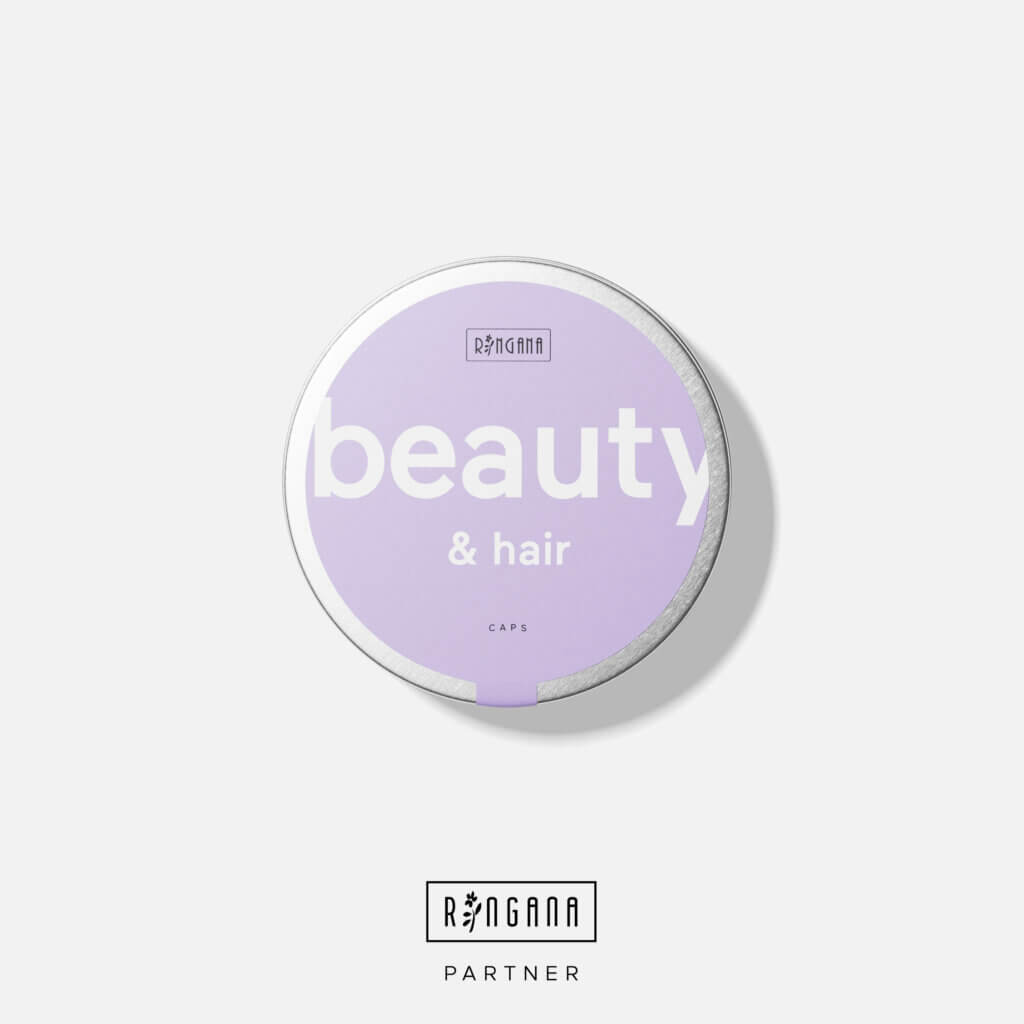
RINGANA CAPS beauty & hair are among my absolute favourite capsules and a heartfelt recommendation. They combine selected nutrients that can support skin, hair and nails from within. I have personally been taking them for several years and have noticed positive changes especially in my hair structure, skin and nails. For me, they are a valuable addition and a firm part of my daily beauty routine.
Of course, food supplements do not replace a balanced diet – but they can complement it in a targeted way.
CAPS beauty & hair support your skin, hair, nails and connective tissue from within with carefully selected nutrients. Ingredients such as hyaluronic acid, SOD and Ajuga reptans help promote a fresh, radiant complexion, stronger, fuller hair and resilient nails – gently supporting your natural beauty from the inside out.

Beauty begins on your plate
Healthy, shiny hair does not happen overnight. It is the result of many small choices – and one of them is your daily diet.
With a varied and balanced plant-based diet based on legumes, nuts, seeds, whole grains and fresh vegetables, you provide your body with the nutrients your hair needs.
Perhaps you have already noticed just how much of a difference your diet can make. If you would like to support your beauty holistically from within, it is worth looking not only at your hair.
Your skin also benefits enormously from a nutrient-rich, plant-based diet. In my article on the 12 best foods for beautiful skin, I show you which foods can give your complexion a natural glow.
And if you would like to dive even deeper into the topic, feel free to browse further through my blog – you will find plenty of inspiration around plant-based nutrition, natural health and wellbeing.
Disclaimer: This text is not a substitute for professional medical advice, diagnosis or treatment. It must not be used as a basis for self-diagnosis or for starting, changing or discontinuing medical treatment. Always consult a qualified healthcare professional if you have any health concerns or symptoms. Greentrinsic accepts no liability for any discomfort or harm arising from the use of the information provided.